How to Build a Business Kit That Helps Someone Actually Start
A useful business kit is not twelve random PDFs inside a ZIP file. It should move someone from "where do I begin" to a clear next action.
ProdLinc Editorial
ProdLinc Team
Published Jan 12, 2026
7 min read

Quick answer
Start from one specific goal and one specific buyer, map their actual starting journey step by step, and only include what genuinely helps them move through it: a checklist, a calculator, planning templates, and clear instructions on how the pieces work together.
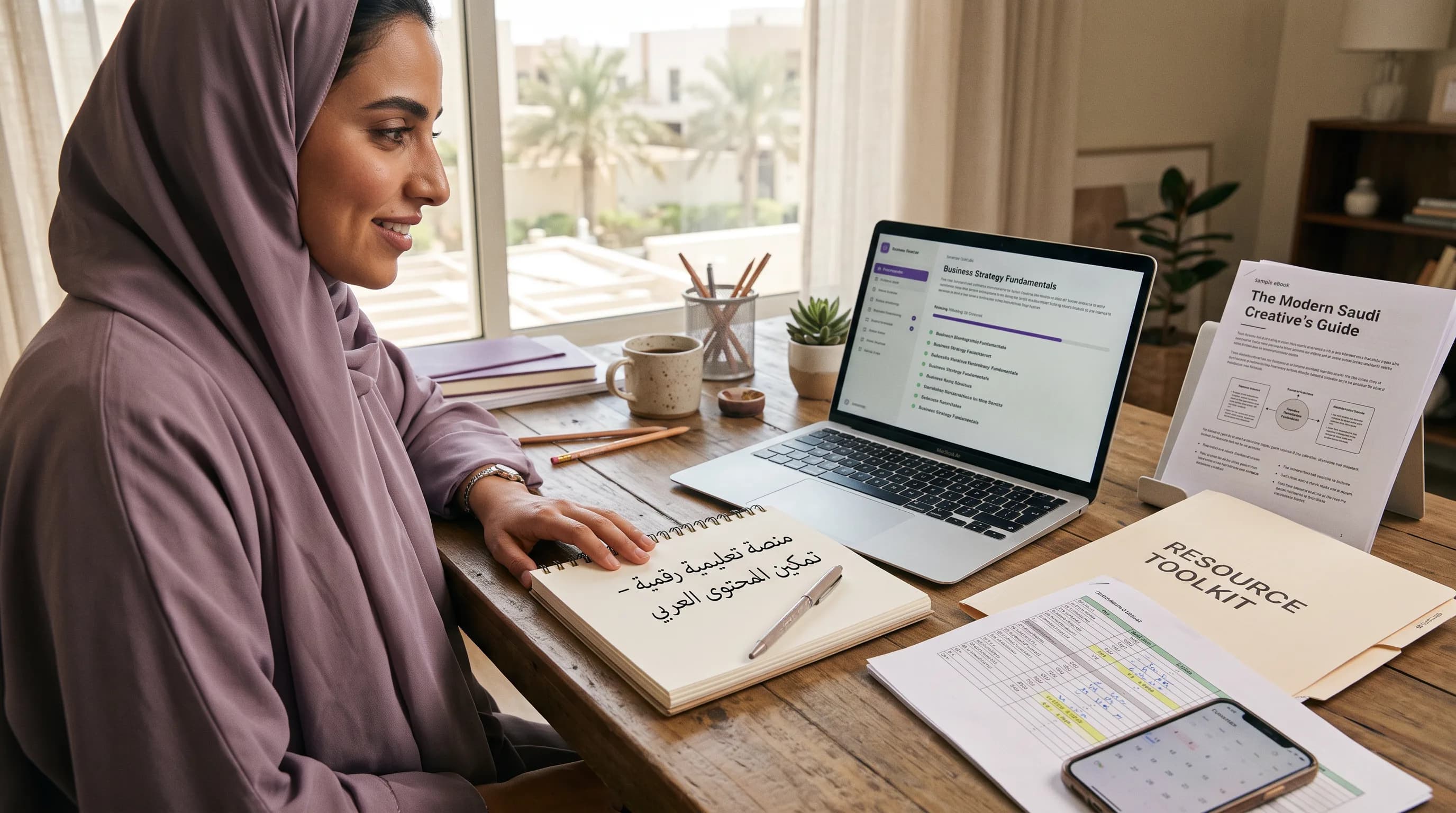
The word "kit" gets used loosely, for everything from a genuinely useful starter toolkit to a lazy bundle of unrelated files. What separates the two is whether every piece inside actually helps someone move through a specific journey, in order.
Define the exact goal
Write the goal as a specific outcome, not a topic: "go from an idea to a first priced offer" is a goal; "starting a business" is a topic too broad for any single kit to actually deliver on.
Define the target buyer
Decide exactly where your buyer is starting from. A kit for someone with a business idea and no experience needs different content than one for someone already selling who wants to formalize their process.
Map their starting journey
Write out the real steps someone takes between where they are now and the goal you defined, in order. This map becomes the backbone of the kit: each resource inside should map to one step on this journey.
Create a checklist
A checklist turns your journey map into something actionable, giving the buyer a way to track where they actually are, not just a wall of information to read once and forget.
Create a cost calculator
If money is part of the decision at any step (and for most business kits, it is), a simple calculator that lets someone plug in their own numbers is far more useful than a generic example budget with numbers that do not apply to them.
Include planning templates
Templates should map to a real step in the journey (a first offer template, a simple business plan outline) rather than being generic documents included because every kit seems to have them.
Include sourcing or research resources where appropriate
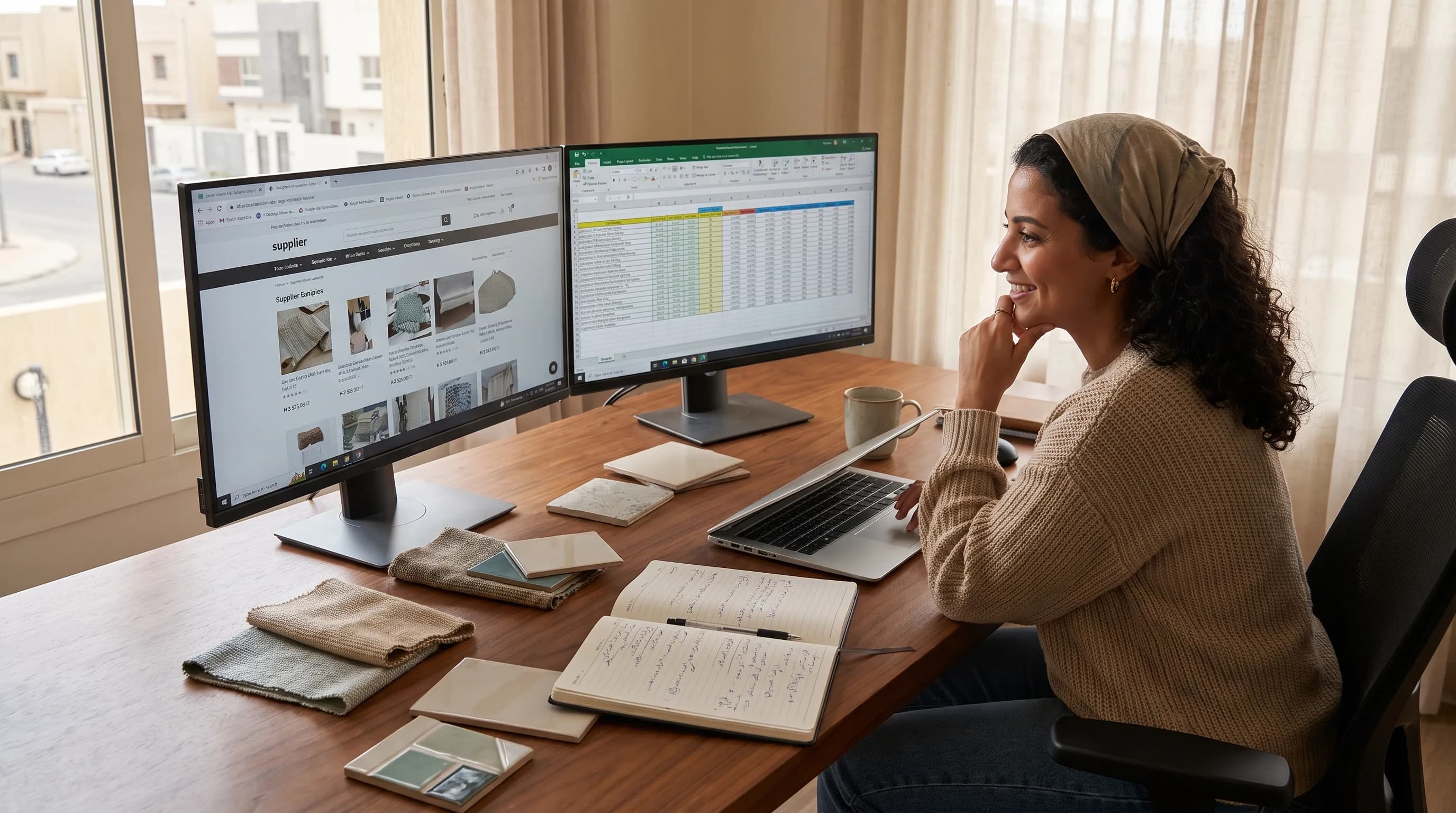
If the journey includes finding suppliers, tools, or partners, a starter list or a structured way to research them belongs in the kit, built the same way described in the supplier research and supplier database guides.
Give instructions
Practical example
Someone building a "first product kit" for aspiring digital creators maps the real journey: pick an idea, define the outcome, choose a format, build version one, price it, write the product page. The kit ends up with one worksheet per step, a simple pricing calculator, and a filled-in example from a real (anonymized) first product, all numbered in order with a one-page "start here" guide.
Common mistakes
Action checklist
- Write the kit's goal as a specific outcome, not a broad topic.
- Define exactly where your target buyer is starting from.
- Map their real journey from that starting point to the goal, step by step.
- Build one resource per meaningful step, not extra files for their own sake.
- Write a short "start here" document explaining the order and the why.
- Include at least one filled-in example alongside any blank template.
- Test the full kit with one real person before publishing.
FAQ
How many resources should a kit include?
As many as the journey genuinely requires, and no more. A tight four-piece kit that maps cleanly to a real journey beats a bloated twelve-piece one with filler.
Should a kit include a course as well?
Only if part of the journey genuinely needs step-by-step teaching rather than a reference resource. If it does, keep it short and tied directly to one step, not a full standalone course.
How do I know if my kit is too broad?
If you cannot describe the buyer's starting point and ending point in one sentence each, the kit is likely trying to cover too much ground at once.